Triage Services for Hospice + Home Health
IntellaTriage provides 24/7 nurse-first triage services for hospice, home health, and palliative care patients. Every call is answered by a licensed, triage-trained nurse who assesses the clinical situation, provides evidence-based guidance, and documents the encounter in your EMR in real time.
Triage Services for Hospice + Home Health
Our nurse-based triage services for hospice and home health improve company efficiency and patient outcomes. At IntellaTriage, we offer appropriate triage and customized workflows to home healthcare and hospice agencies nationwide.
Improve Patient Experience
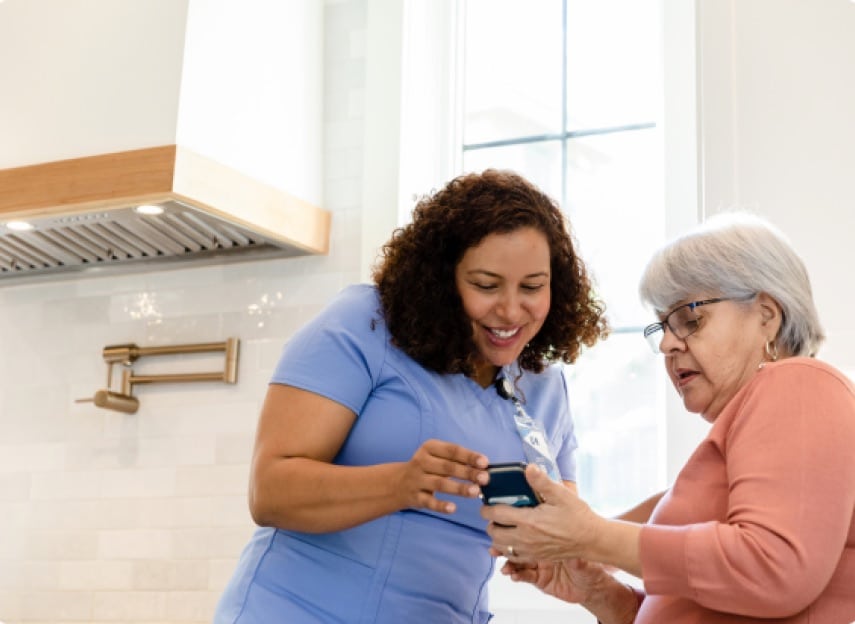
After-hours care shouldn’t be an afterthought. With IntellaTriage, callers aren’t shuffled through phone menus or put on hold. Your patients will be connected with a licensed nurse specifically trained in your hospice and home care protocols – typically in under one minute. Our tailored approach meshes seamlessly with your systems, meaning that your customers will receive quality care 24 hours per day, 365 days per year.

Reduce Burnout
After-hours calls contribute to nurse burnout more than almost any other stressor. We’ve found that when nurses are able to focus on each patient in the home – without being interrupted by constant incoming calls – they report a higher rate of job satisfaction. For this reason, IntellaTriage’s team of licensed nurses will handle all but the highest acuity calls; we are your first line of defense against administrative or low acuity calls, day or night.

Save Money
Working with IntellaTriage can save you money on a short- and long-term basis. You will no longer need to hire additional staff to manage after-hours nurse triage calls. Additionally, partnering with us can help reduce staff burnout and turnover, decrease training costs, and lower administrative costs across the board.
Capture Referrals
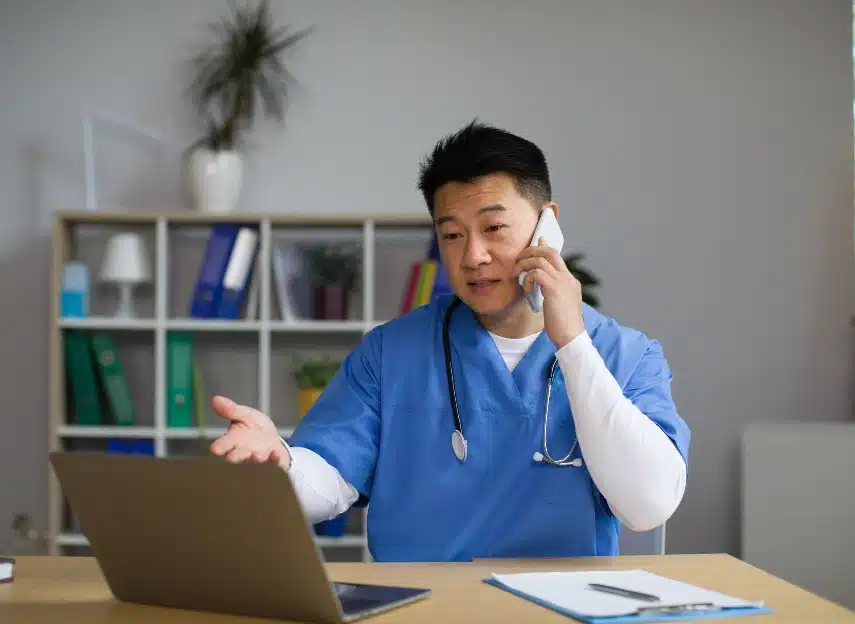
Referrals are the life of all hospice and home health agencies. Because our average wait time is just 38 seconds, we can ensure that each referral is properly recorded and sent to your intake team as soon as possible. This sets you up for quick patient acquisition and an impressive response time.
How Does It Work?
IntellaTriage’s after-hours nurse triage services are available to all hospice and home health providers. Through our team of licensed nurses, your patients will receive the highest quality of care on nights, weekends, and holidays. Here’s how it works.

Nurses trained in Hospice and Home Health
We understand the nuances of hospice and home health care. IntellaTriage hires experienced licensed nurses, and only those trained in hospice and home care will be assigned to your after-hours nurse triage calls. Our average experience level for nurses is over 20 years, ensuring that our team members understand the experience of the field team and will provide exceptional customer service.
Customized “Work of the Call”
Standard answering services take messages and forward those messages to nurses. At IntellaTriage, our team of licensed nurses can refill medications, order DME and supplies, capture referrals, and escalate to an on-call nurse when needed. We customize our workflow to fit your needs, ensuring that your patients see no difference between business hours and after-hours care.
EMR Documentation
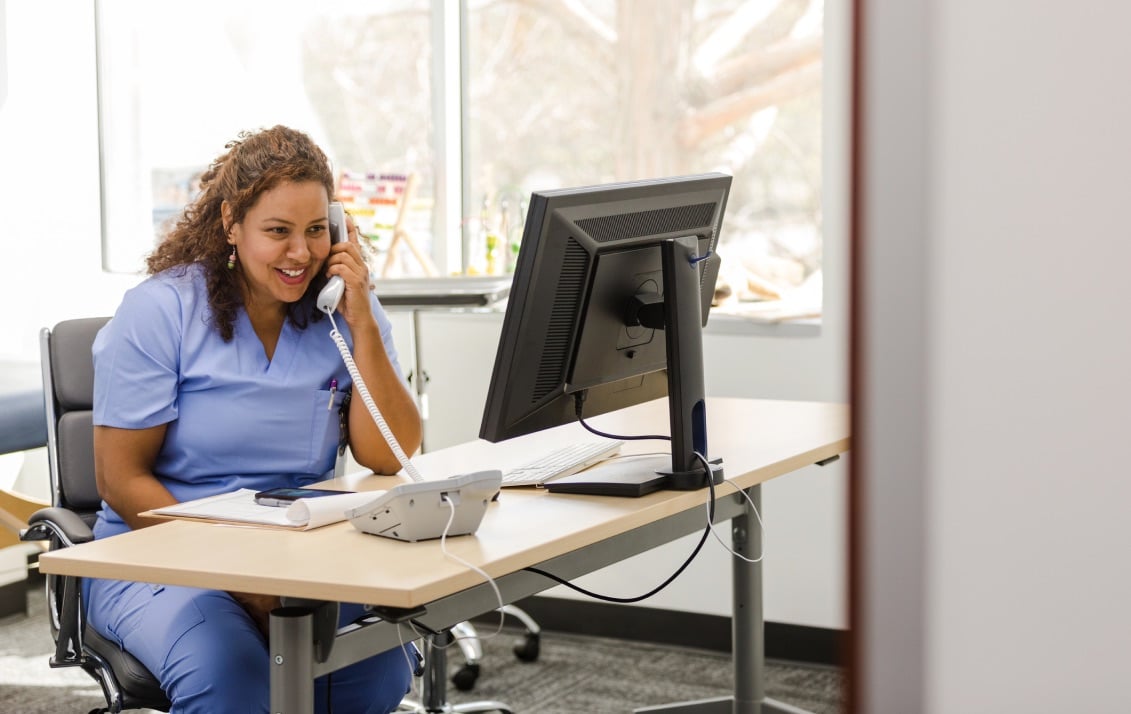
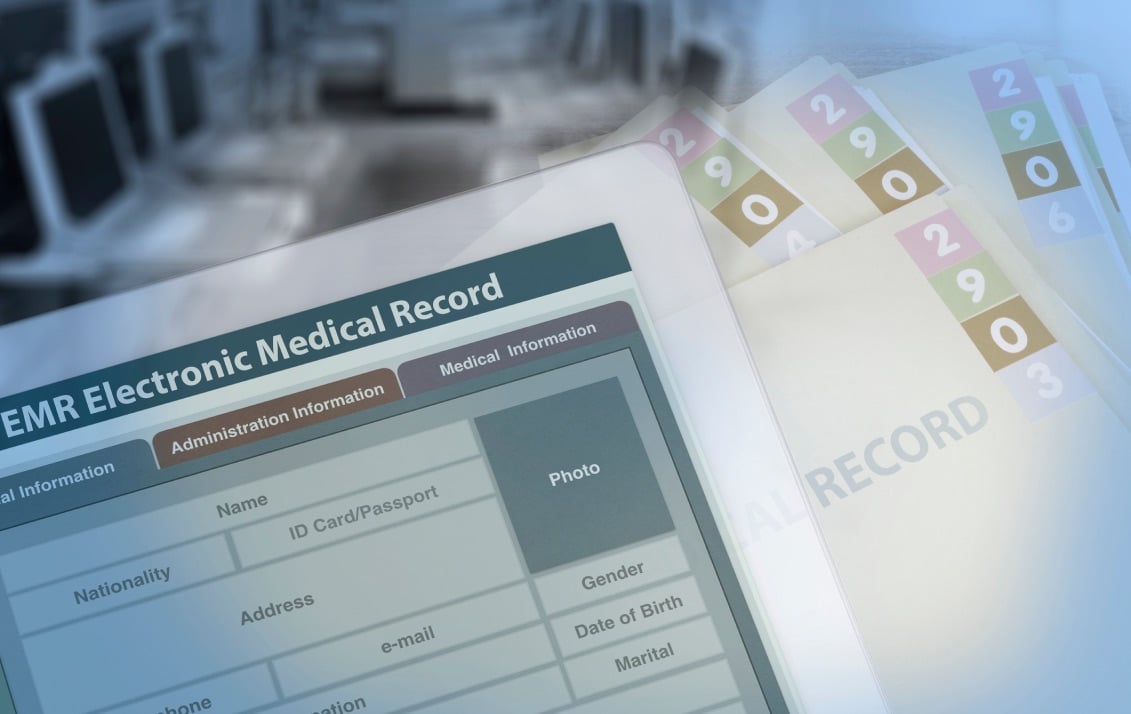
We thoroughly document the events of each and every call directly in your EMR. This guarantees that the most updated information is available for review immediately upon call completion, closing communication gaps and ensuring a seamless transition of care from our after-hours nurse triage to your in-office services.
Leaders in Home Care Triage
It is our goal to provide comprehensive triage services to your patients at any hour of the day. Informed by your protocols, IntellaTriage’s licensed nurses act as an extension of your services, ensuring high-quality, individualized care. To learn more about our triage services for hospice and home health services, please contact us today.
Common Questions
Hospice
How many after-hours calls should a hospice agency expect? Most hospice agencies receive between 1 and 3 after-hours calls per patient per month, though this varies significantly by patient acuity, caregiver confidence, and how well the care team sets expectations before discharge. For a mid-size agency with 150-300 patients on census, that typically means 50-100+ calls per night across the on-call period. High-acuity seasons around transitions, new admissions, and end-stage decline can push that number considerably higher.
What percentage of hospice calls can be resolved without waking an on-call nurse? Industry experience suggests that 40-60% of after-hours hospice calls are “triage-addressable” – can be resolved through skilled telephonic triage without escalating to an on-call nurse or dispatching a field nurse for a home visit. These are calls where caregiver anxiety, medication questions, symptom education, or anticipatory guidance can be addressed by an experienced triage nurse over the phone. The keyword is “skilled”: a generic answering service can’t achieve these numbers. A trained clinical triage team can.
What is hospice triage? Hospice triage is the clinical assessment and management of calls from hospice patients and their caregivers. It requires nurses with specific experience in end-of-life care, including comfort-focused symptom management, anticipatory guidance, caregiver emotional support, and familiarity with the physical signs of active dying. Hospice triage is not interchangeable with general medical triage; the goals of care and the nature of the calls are fundamentally different.
Why do hospice patients call after hours? The most common reasons are uncontrolled pain or anxiety, medication questions, unexpected symptom changes, and caregiver uncertainty about what’s normal. Many calls are driven by fear rather than acute clinical need – a caregiver who doesn’t know whether what they’re seeing is expected, or a family member who simply needs someone to tell them they’re doing the right thing. A good triage nurse recognizes both types of calls and responds appropriately.
What happens when patients cannot reach a nurse quickly? Caregivers in crisis who can’t reach clinical support may call 911, triggering emergency dispatch and potential hospitalization that the patient didn’t want and the family didn’t expect. This is one of the most expensive and emotionally devastating failures in hospice care. It happens more often than most agencies realize, and it’s almost always preventable with better after-hours access.
Home Health
What is home health triage? Home health triage is the after-hours management of clinical calls from home health patients, typically individuals recovering from surgery, managing a chronic condition, or receiving skilled nursing or therapy services at home. Calls often involve wound care questions, medication concerns, equipment issues, or early signs of deterioration. Home health triage nurses need strong assessment skills and clear escalation protocols to safely manage these calls remotely.
How does after-hours triage work in home health care? Home health after-hours triage covers patients receiving skilled nursing, therapy, or aide services at home – typically people recovering from surgery, managing a chronic condition, or transitioning out of a hospital or SNF. Calls tend to involve wound care concerns, medication questions, equipment issues, fall incidents, or early signs of clinical deterioration. Because home health patients are often on a recovery trajectory rather than a comfort-focused care path, the triage goal is assessment and appropriate routing: determining whether the situation can be safely managed at home overnight or requires escalation. A skilled triage nurse can resolve the majority of these calls without dispatching a field clinician.
What percentage of home health calls can be resolved by phone? In a well-run nurse-first home health triage model, resolution rates approach 100%. Home health patients are typically on a recovery trajectory, and the vast majority of after-hours calls involve concerns that a skilled clinical nurse can fully assess and resolve over the phone without dispatching a field clinician or directing the patient to an emergency department. IntellaTriage’s work with one of the nation’s largest home health organizations demonstrates what this looks like in practice: dedicated triage nurses handle calls with the clinical confidence to resolve nearly every contact, escalating to an ED or urgent care only when a visit is genuinely necessary. That’s not a workaround, it’s the model working exactly as intended.
What is a no-more-on-call model for home health? A no-more-on-call model means home health field nurses are completely removed from after-hours call responsibility. All after-hours contacts are handled by a dedicated clinical triage team, nurses whose sole job is managing those calls, not nurses juggling their own patients from the couch at midnight. The result is better triage quality, better patient experience, and field nurses who actually recover between shifts. One of the nation’s largest home health organizations uses this model operationally and has found that near-complete telephonic resolution is achievable when the right clinical infrastructure is in place. This has led directly to increased retention and recruitment.
How is home health triage different from hospice triage? The goals of care are fundamentally different, and triage should reflect that. In hospice, calls are often about symptom management, caregiver support, and anticipatory guidance for the dying process: comfort is the clinical framework. In home health, calls are more often about recovery concerns, wound status, medication management, and early detection of deterioration: the clinical framework is restorative. Triage nurses need to understand which setting they’re operating in, because the right response to “my patient seems more confused today” looks very different depending on whether that patient is on a hospice plan of care or recovering from a hip replacement.
PACE
What is PACE, and why does it need nurse-first triage? The Program of All-Inclusive Care for the Elderly (PACE) is a federal- and state-funded model that provides comprehensive medical and social services to nursing-home-eligible adults, enabling them to live at home or in the community. PACE organizations are fully capitated and serve as both the insurer and the care provider for their participants. Because PACE participants are typically frail elders with multiple chronic conditions, after-hours call volume can be significant, and the clinical stakes are high. Having a dedicated, skilled triage team available 24/7 is essential to keeping participants safe at home and out of the emergency department.
How does PACE triage differ from home health or hospice triage? PACE triage involves a uniquely complex population of frail elders who are nursing-home-eligible but living in the community, often with cognitive impairment, multiple chronic conditions, and complex social circumstances. Unlike home health (episodic, recovery-focused) or hospice (comfort-focused, time-limited), PACE enrollment is indefinite, and the IDT maintains a comprehensive, ongoing plan of care. Triage nurses supporting PACE programs need familiarity with geriatric assessment, dementia-related behavioral changes, fall risk, and the specific dynamics of the PACE model. They’re not managing a single episode; they’re supporting a long-term care relationship.
What are the regulatory requirements for PACE after-hours coverage? PACE organizations operate under a distinct set of federal regulations (42 CFR Part 460) that require the interdisciplinary team to be available to participants 24 hours a day, 7 days a week. This includes clinical assessment and care coordination outside of business hours. PACE CoPs also place particular emphasis on participant-centered care, coordination across the IDT, and documentation that supports the comprehensive care plan. After-hours triage for PACE must meet these standards, which means clinical staff, real documentation, and integration with the PACE care team’s systems.
Contact Us for a Consultation
Ready to optimize your triage process? Reach out to us today for a consultation tailored to your needs. Let’s elevate your patient care together.