FAQs – Nurse Triage Services for Hospice + Home Health
When patients or caregivers call after hours, the difference between a quick, compassionate response and a long wait can define their entire care experience. These frequently asked questions explain how nurse triage for home health and hospice works, why it matters, and how it can improve satisfaction for patients, families, and clinical teams. Whether you’re exploring after-hours coverage, reducing nurse burnout, or optimizing operations, this FAQ guide will help you understand the value of a nurse-first triage model.
Frequently Asked Questions
Across hospice and home health care, agencies are re-evaluating how they manage after-hours calls, clinical workloads, and patient expectations. With rising demands on nursing staff and a greater focus on patient experience, nurse triage solutions are becoming a critical extension of care. This FAQ page answers the most common questions from agency leaders, clinicians, and caregivers about implementing an effective after-hours nurse triage program.

What is nurse triage for home health and hospice?
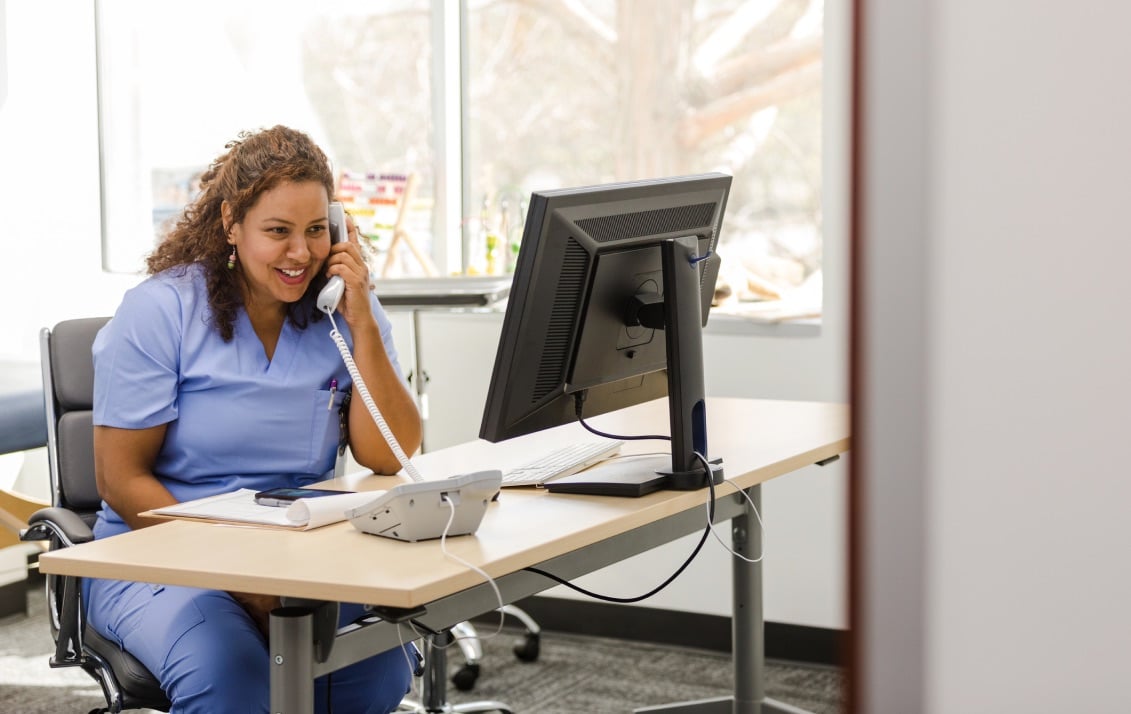
Nurse triage for home health and hospice is a clinical service where a licensed nurse handles incoming calls for home health and hospice providers, especially after-hours triage calls, from patients, caregivers, or staff. The nurse assesses symptoms, determines urgency, and coordinates next steps such as a next day visit, order DME, or escalation to on-call staff.
This approach ensures patients receive 24/7 nurse-first triage care, reducing delays and improving outcomes. Unlike generic call centers, hospice and home health triage nurses understand protocols specific to the patient’s plan of care and can document directly in the provider’s electronic medical records system to reduce or eliminate gaps in care.
Why do home health or hospice agencies need a nurse triage service?
Implementing an after-hours nurse-first triage for home health or hospice agency provides measurable benefits:
- Reduce nurse burnout and turnover: after-hours coverage relieves field nurses of on-call fatigue.
- Improve patient and caregiver satisfaction: quick, compassionate answers from a nurse, not a robot or voicemail.
- Prevent avoidable ER visits: timely intervention reduces unnecessary hospital transfers or live discharges.
- Enhance operational efficiency: offloads low-acuity calls from the field and allows for efficient scalability with predictive clinical support.
- Boost compliance and quality: standardized processes customized to your hospice and home health triage protocols improve consistency and quality outcomes.
Many providers partner with outsourced nurse triage vendors like IntellaTriage for their speed, documentation, and integrated technology.
How does hospice triage differ from standard clinical triage?
Hospice triage nurses follow specialized hospice triage nurse protocols designed for end-of-life care. The focus is comfort, dignity, and symptom management, not hospitalization.
Key differences include:
- Emphasis on palliative and comfort care instead of acute intervention
- Caregiver coaching and emotional support
- Knowledge of advance directives and hospice plans of care
- Coordination with members of interdisciplinary hospice teams
- Reduced live discharges through proactive symptom management
These elements make clinical triage call centers for hospice unique from general medical triage services.
What kinds of clinical issues can be handled by nurse triage, and when must the triage nurse escalate?
A nurse-first triage model allows experienced nurses to resolve many calls remotely, such as:
- Pain, nausea, or shortness of breath management
- Medication education and clarification
- Comfort care coaching for caregivers
- Scheduling a home visit through the after-hours triage line
- Documentation and follow-up coordination in the EMR
Escalation is required when symptoms are severe, unexpected, or beyond established care protocols. The triage nurse then contacts on-call clinicians or dispatches emergency services if appropriate.
Can I build an in-house triage system, or should I outsource?
You can build an in-house triage system or choose outsourced nurse triage solutions. Compare your options:
- In-house: Full control, but high staffing costs and burnout risk.
Outsourced: Access to 24/7 licensed nurses, integrated technology, and proven efficiency.
Many agencies adopt a hybrid model: internal triage during office hours and outsourced after-hours nurse triage for hospice and home health coverage overnight and weekends.
What should I look for when choosing a nurse triage vendor?
Select a partner that understands hospice and home health triage solutions. Look for:
- Clinical experience in hospice and palliative care
- Customizable protocols and escalation rules
- Proven response-time SLAs
- Integration with your EMR
- Multi-state nurse licensure
- HIPAA compliance
- Transparent cost structure
- Documented outcomes and client testimonials
The right nurse triage service provider should improve patient outcomes while protecting your clinical staff from burnout.
How is triage documented and how does it integrate with patient care?
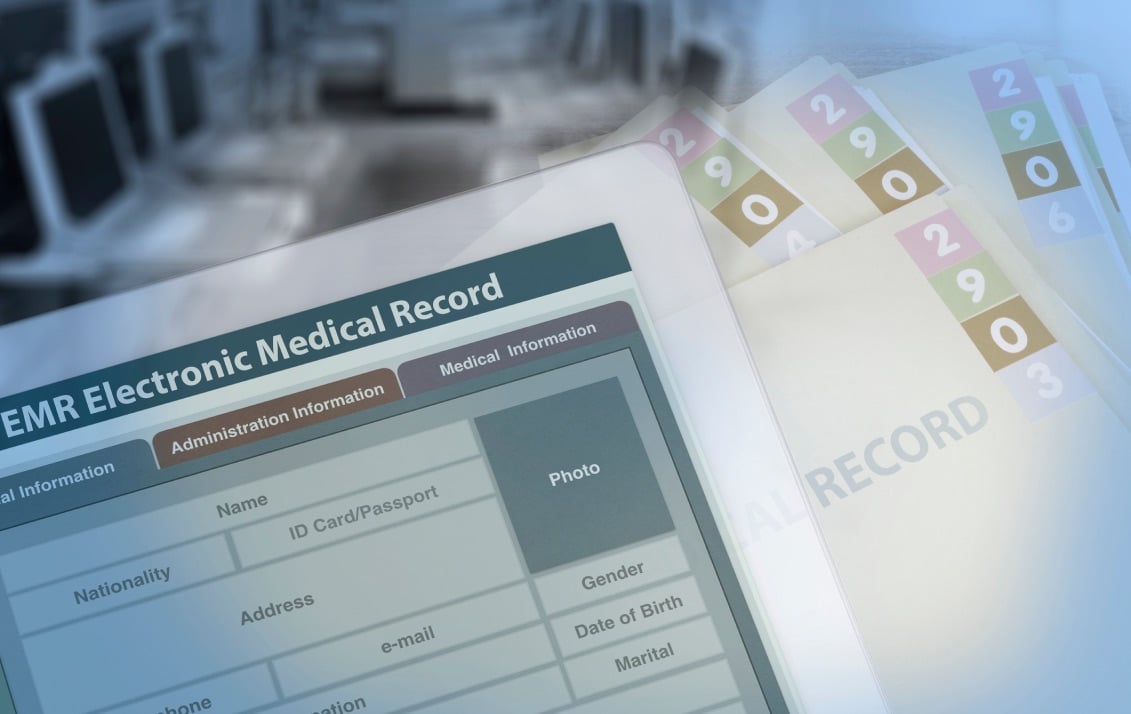
Documentation from the clinical triage call center for hospice and home health should be directly documented into your EMR. Notes should include assessment details, recommendations, and escalation outcomes.
Automation and interoperability, such as through IntellaTriage’s IntellaHub, ensure every after-hours nurse triage call is logged and visible in real time for the care team to access, improving continuity and compliance.
How do triage nurses support family caregivers?
Caregiver support via triage nursing is one of the most valuable aspects of hospice care. Triage nurses:
- Offer reassurance and step-by-step guidance for symptom management
- Recognize caregiver stress or confusion early
- Provide education to prevent unnecessary hospital transfers
- Escalate to field teams when emotional or physical distress exceeds caregiver capacity
This blend of clinical skill and empathy improves satisfaction and patient comfort.
What metrics or outcomes should we monitor to evaluate triage performance?
Track these nurse triage metrics (KPIs) to evaluate performance:
- Average response time (speed-to-nurse)
- % of calls resolved without escalation
- Avoidable ER visit or live discharge reduction
- Patient and caregiver satisfaction scores
- Field nurse satisfaction and turnover rates
- Documentation accuracy and compliance
Strong KPIs prove the ROI of your nurse-first triage model and support ongoing improvement.
How do we onboard nurse triage successfully?
Follow this plan for onboarding triage for hospice agencies or home health organizations:
- Define goals, hours, and coverage scope
- Train triage nurses on your EMR and protocols
- Pilot test after-hours workflows
- Monitor metrics and quality
- Communicate processes internally
- Promote 24/7 triage access to patients and families
Proper onboarding ensures seamless integration and faster time-to-value from your nurse triage solution.
Will AI ever replace nurse triage?
While AI-powered triage tools can assist with symptom assessment, documentation, and routing, they cannot replace the human-centered, nurse-first triage model needed in hospice and home health care.
Human compassion, clinical judgment, and contextual understanding remain irreplaceable, especially for patients and caregivers in crisis. The future lies in nurse-first triage systems, where technology supports, not supplants, clinical expertise.
Leaders in Home Care Triage
It is our goal to provide comprehensive triage services to your patients at any hour of the day. Informed by your protocols, IntellaTriage’s licensed nurses act as an extension of your services, ensuring high-quality, individualized care. To learn more about our triage services for hospice and home health services, please contact us today.
Contact Us for a Consultation
Ready to optimize your triage process? Reach out to us today for a consultation tailored to your needs. Let’s elevate your patient care together.